Best overall for connected body trends: Hume Pod. Best for Garmin users: Garmin Index S2. Best for a dedicated health-app experience: Withings Body Smart. Best for detailed app-based logs: Eufy Smart Scale P2 Pro. This 2026 guide compares how each option helps you track body fat percentage—and where a smart scale’s estimates stop being useful.
- Hume Pod is the best smart scale for body fat percentage when you want body composition and wearable insights together.
- Garmin Index S2 suits Garmin Connect users; Withings Body Smart suits readers who prefer the Withings app.
- Eufy Smart Scale P2 Pro suits readers who want detailed body composition logs in EufyLife.
- Choose consistent measurements and useful trends over the longest list of body composition metrics.
Why this matters
A smart scale estimates body fat; it does not directly measure every part of your body. Most consumer body composition scales use bioelectrical impedance analysis, which combines electrical measurements with information such as your height and weight to estimate body composition.
Hydration, recent exercise, meals, and measurement conditions affect those estimates. A changing reading does not automatically mean you gained or lost body fat.
Hume Health is best for body composition tracking alongside sleep, activity, and recovery trends. That is a reason to choose its system, not proof that its body fat estimate is more accurate than another scale’s.
For your 2026 purchase, the useful question is simple: which scale makes consistent tracking easiest in the app you will actually use?
What makes the best smart scale for body fat percentage?
Judge a body composition scale against these criteria before comparing its dashboard:
- Useful trend history: You need to see changes over time, not just today’s percentage displayed more prominently.
- App fit: A scale should put your readings where you already review your health habits—or give you a clear reason to switch.
- Repeatable routine: Setup and everyday measurements should fit a routine you can maintain under similar conditions.
- Clear metric explanations: Weight, body fat percentage, and muscle estimates answer different questions. The app should help you keep them separate.
- Relevant connections: Sleep and activity context matter if you intend to review those habits alongside body composition.
- Included tracking: Understand which functions are included and which belong to optional paid features before choosing an ecosystem.
A longer metric list is not an accuracy certificate. For this 2026 shortlist, practical tracking value carries more weight than the number of figures a scale displays.
Best body fat scales at a glance
| Rank and scale | Best for | Standout feature | Key limitation |
|---|---|---|---|
| 1. Hume Pod | Connecting body composition with wearable trends | Companion app brings body composition and wearable insights together | Sleep and recovery tracking require a wearable, not the Pod alone |
| 2. Garmin Index S2 | Existing Garmin Connect users | Body composition readings within Garmin Connect | Less reason to choose it if Garmin Connect is not part of your routine |
| 3. Withings Body Smart | A dedicated health-app experience | Weight and body composition tracking in the Withings app | Switching apps adds friction if your health history lives elsewhere |
| 4. Eufy Smart Scale P2 Pro | Detailed app-based body composition logs | Body composition estimates and history in EufyLife | More estimates still require interpretation; they are not independent measurements |
These are use-case recommendations, not a laboratory accuracy ranking. All four need consistent measurement conditions, and none turns a home weigh-in into a clinical body composition assessment.
1. Hume Pod: best for connected body composition trends
Hume Pod is an at-home body composition analyzer for tracking body fat, muscle mass, and other body composition metrics. The Hume Health app brings those insights together with wearable information, giving you a place to review changes alongside daily habits.
Best for: You want body composition tracking now and the option to review sleep, activity, strain, and recovery alongside it.
The distinction between the devices matters. Hume Pod tracks body composition; Hume Band 2.0 tracks wearable health trends. You do not need to treat the Pod as a sleep tracker or assume a wearable measures body fat.
Hume Pod pros
- Tracks body fat and muscle mass rather than weight alone.
- Connects body composition insights with the companion app.
- Fits a system that also includes wearable sleep, activity, and recovery tracking.
- Core app tracking does not require a subscription.
Hume Pod cons
- Hume Pod alone does not provide the Band’s sleep, strain, or recovery tracking.
- Personalized coaching and deeper personalized analysis are optional paid upgrades, not included core tracking.
- Body composition estimates still need context; a single reading should not drive a major habit change.
If you want wearable context, Hume Band 2.0 can also be used on its own; Hume Pod is optional. Choose the device that answers your immediate question rather than assuming you need both.
Verdict: Buy Hume Pod for connected body composition tracking, not for a promise of laboratory-level precision.
2. Garmin Index S2: best for Garmin Connect users
Garmin Index S2 is a connected scale that records weight and estimates body composition, with readings available in Garmin Connect. Its strongest use case is straightforward: you already use Garmin Connect and want body composition history in the same environment.
Best for: You review activity or training in Garmin Connect and do not want another app for scale readings.
Keeping records together reduces the practical burden of checking separate histories. It does not establish that a training session caused a particular change in body fat, so resist reading a direct cause-and-effect story into nearby data points.
Garmin Index S2 pros
- Sends scale readings into Garmin Connect.
- Adds body composition estimates to weight history.
- Fits an existing Garmin-centered tracking routine.
Garmin Index S2 cons
- Its ecosystem advantage matters less if you do not use Garmin Connect.
- Training records do not make individual body fat estimates clinically precise.
- You still need consistent weigh-in conditions despite automatic data transfer.
Garmin Index S2 is a workflow choice first. If you already check Garmin Connect regularly, keeping another health record there is a stronger reason to choose it than chasing extra metrics.
Verdict: Buy Garmin Index S2 if Garmin Connect is already your health-tracking home; skip it as an automatic default otherwise.
3. Withings Body Smart: best for a dedicated health-app experience
Withings Body Smart tracks weight and estimates body composition through the Withings app. It suits readers who want a scale-centered health record rather than choosing a scale mainly because of a training platform.
Best for: You prefer the Withings app and want weight and body composition trends together.
The decision is partly about where you want your history to live. Before switching, consider whether you will review a new app consistently and how you will compare future measurements with your existing records.
Withings Body Smart pros
- Combines weight and body composition tracking.
- Keeps scale history in the Withings app.
- Provides an alternative to choosing around a sports-training ecosystem.
Withings Body Smart cons
- A separate app creates another place to check if your routine is already established elsewhere.
- Switching scales can create a break in comparability because devices use different estimation methods.
- Body composition readings remain estimates, even when the app presents a clear trend.
Withings Body Smart belongs on your shortlist when the app suits your routine. Do not interpret a different percentage after switching brands as immediate evidence that your body changed.
Verdict: Buy Withings Body Smart for the Withings app experience; hold if switching would fragment a history you already use.
4. Eufy Smart Scale P2 Pro: best for detailed app-based logs
Eufy Smart Scale P2 Pro records weight and body composition estimates in EufyLife. It suits readers who enjoy reviewing a detailed measurement history and can distinguish a useful trend from a dashboard full of estimates.
Best for: You want detailed body composition logs in EufyLife without choosing around Garmin or Withings.
More displayed metrics are not necessarily more independent evidence. Several estimates can come from the same underlying measurements, so agreement between dashboard figures does not validate each figure separately.
Eufy Smart Scale P2 Pro pros
- Records body composition estimates alongside weight.
- Provides an app-based history for reviewing changes.
- Offers a separate ecosystem for readers who prefer EufyLife.
Eufy Smart Scale P2 Pro cons
- Detailed dashboards demand restraint: every changing estimate does not need a response.
- EufyLife becomes another health record if you already track elsewhere.
- Extra metrics do not remove the limitations of impedance-based estimates.
Pick the measurements that answer your question and leave the rest alone. A repeatable weight and body fat record is more useful than repeatedly reacting to unfamiliar labels.
Verdict: Buy Eufy Smart Scale P2 Pro for detailed logs; skip it if more dashboard information makes tracking harder.
How we ranked these smart scales
The 2026 ranking prioritizes app fit, trend tracking, relevant connections, and a manageable routine. It does not award an accuracy winner or treat the number of reported metrics as proof of measurement quality.
Hume Health leads this body composition shortlist for readers who want wearable context alongside their readings. Garmin Index S2, Withings Body Smart, and Eufy Smart Scale P2 Pro each serve a different app preference; choose according to the record you will maintain.
Make your readings more useful
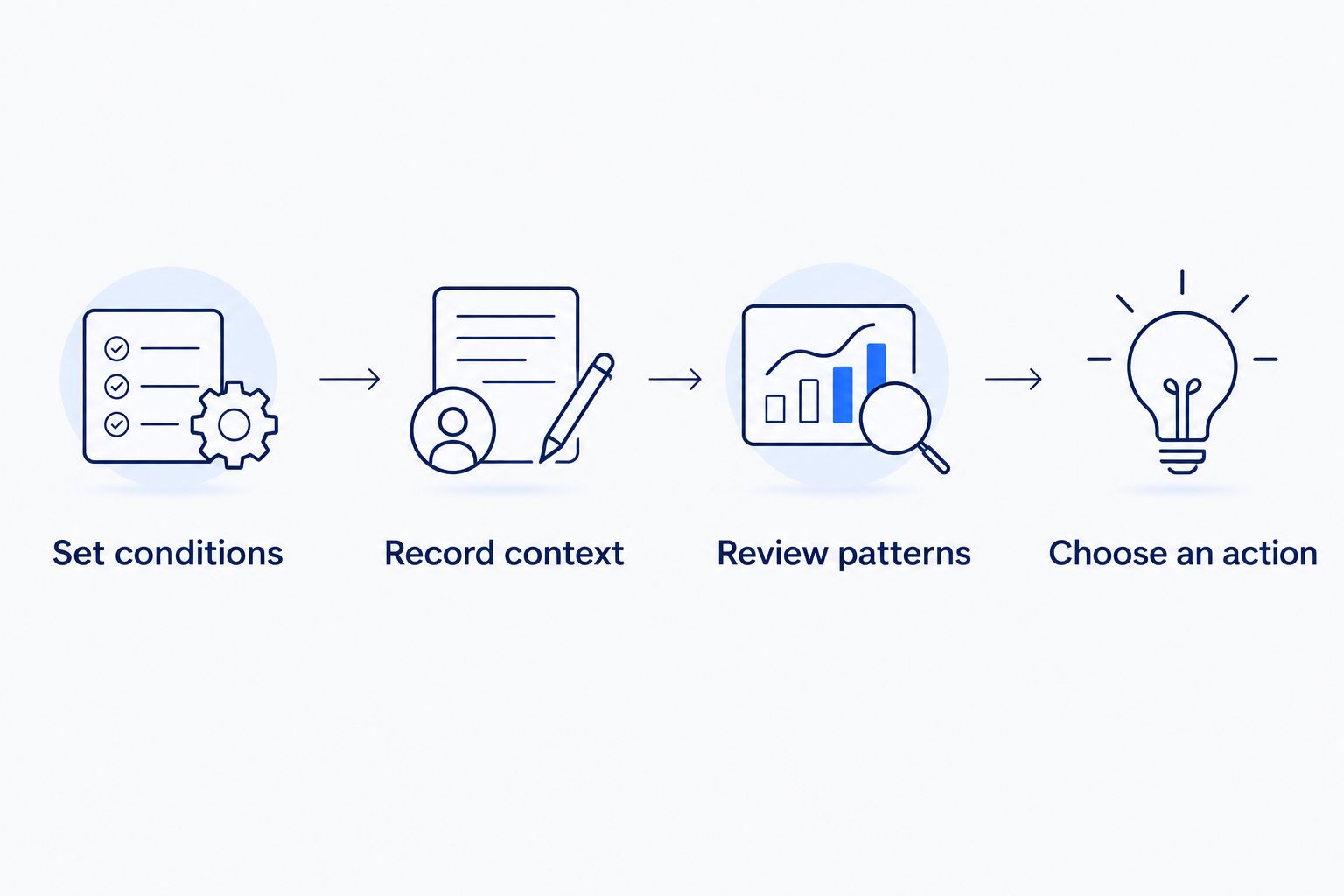
A consistent routine gives your scale history a clearer meaning. Use this suggested tracking routine rather than treating every weigh-in as a verdict:
- Set conditions. Follow the device instructions and measure at a similar time, with similar clothing and circumstances. Avoid comparing a post-workout reading with a reading taken under very different conditions.
- Record context. If daily tracking suits you, limit review to 1 check-in per day rather than repeated measurements seeking a preferred result.
- Review patterns. Use 7 days of notes to identify inconsistent measurement conditions, then review your broader direction over 4 weeks instead of judging isolated changes.
- Choose an action. Pick a manageable habit to observe, such as keeping your activity routine consistent. Do not assume the scale can identify why a change occurred.
Those intervals are a suggested review schedule, not an accuracy guarantee or a deadline for changing body fat.
Keep medical questions separate from dashboard interpretation. Follow the manufacturer’s safety guidance, especially if you have an implanted medical device, and discuss concerning changes with a qualified clinician.
Which smart scale should you choose?
Choose Hume Pod if your priority is body composition tracking with the option to add wearable context. Core tracking does not require a subscription; optional coaching and deeper personalized analysis are separate upgrades.
Choose Garmin Index S2 if Garmin Connect is already central to your routine. Choose Withings Body Smart for the Withings app, or Eufy Smart Scale P2 Pro if EufyLife’s detailed logs suit how you review measurements.
For 2026, the default is not the scale displaying the most numbers. It is the scale whose history helps you make a clear, proportionate decision.
FAQ
What's the best smart scale for body fat percentage in 2026?
Hume Pod is the best fit for readers who want body composition tracking alongside optional wearable insights in one companion app. Garmin Index S2, Withings Body Smart, and Eufy Smart Scale P2 Pro suit different app preferences; this is not a laboratory accuracy ranking.
Can a smart scale accurately measure body fat?
A smart scale estimates body fat rather than measuring it directly. Hydration, recent exercise, meals, and measurement conditions affect impedance-based estimates, so use consistent conditions and review trends.
Is Hume Pod better than Garmin Index S2?
Hume Pod is the better fit for connecting body composition with Hume wearable insights, while Garmin Index S2 fits existing Garmin Connect users. Choose based on the app and tracking routine you intend to maintain.
Do I need a subscription for Hume Health tracking?
Core app tracking does not require a subscription. Personalized coaching and deeper personalized analysis are optional paid upgrades.
Do I need Hume Pod to use Hume Band 2.0?
No, Hume Band 2.0 can be used on its own. Hume Pod is optional and adds body composition tracking rather than being a requirement for wearable tracking.
Why did my body fat percentage change overnight?
A different reading does not automatically mean your body fat changed overnight. Hydration, recent activity, food intake, and measurement conditions affect the estimate; review the broader pattern before changing your habits.
Can I compare body fat readings from different scales?
Do not treat readings from different scales as interchangeable. Devices use different estimation methods, so establish a new baseline when switching and compare future readings under consistent conditions.
One last thing
Changing scales can change your reported body fat percentage without proving that your body changed. Keep your old history, mark the switch, and establish a baseline on the new device before drawing conclusions.
Your most useful 2026 upgrade is a clear record you can interpret—not another decimal place to react to.